Street Cart · Cassava Crepe
Tapioca (Beiju)
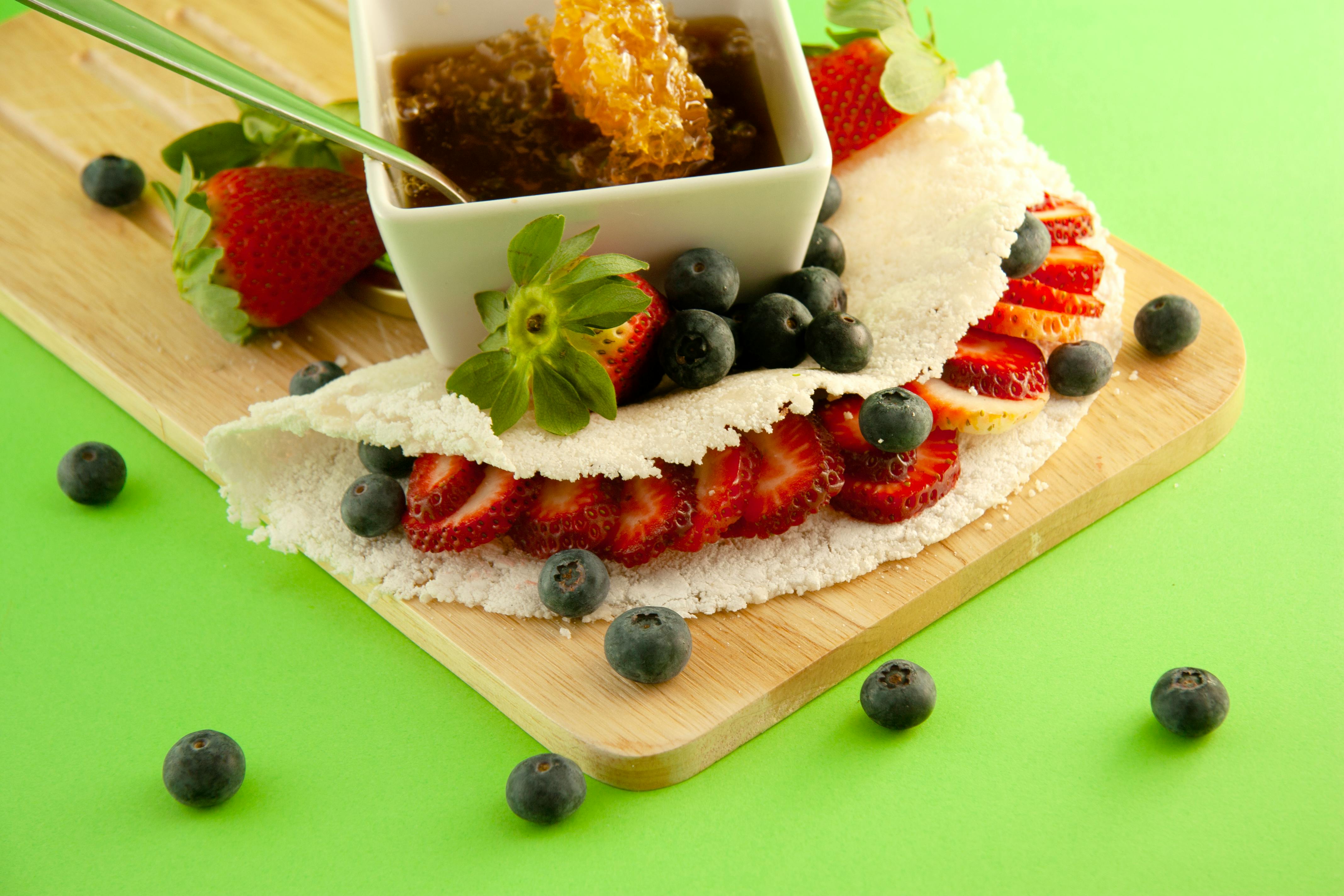
Photo via Pexels/Unsplash — free for commercial use
Tapioca crepes are older than Brazil itself — Tupi-Guarani communities were cooking cassava starch this way long before Portuguese ships ever arrived.
Tapioca is a thin, chewy crepe made by sieving hydrated cassava (manioc) starch directly into a hot skillet, where the granules fuse into a flexible disc within seconds. Street carts across northeastern Brazil griddle it to order and fold it around fillings like grated coconut, condensed milk, cheese, or shredded meat.
Why it's made this way: Long before European colonization, Tupi-Guarani communities were processing cassava into starch for beiju, making it one of the oldest continuously eaten street foods in the Americas — the city of Olinda even declared it a protected piece of cultural heritage in 2006.
Roughly what's in it
250kcal
7gprotein
38gcarbs
8gfat
Estimated per typical street-vendor portion — not lab-tested.
More from Brazil


Part of World of Street Food — 690 dishes from 118 countries.
Something wrong here? Tell us in the comments below.
Photo credits.